I still remember a parent once telling me,
“Doctor, he’s just one year old… but sometimes it feels like he understands everything.”
And honestly, that’s not far from the truth.
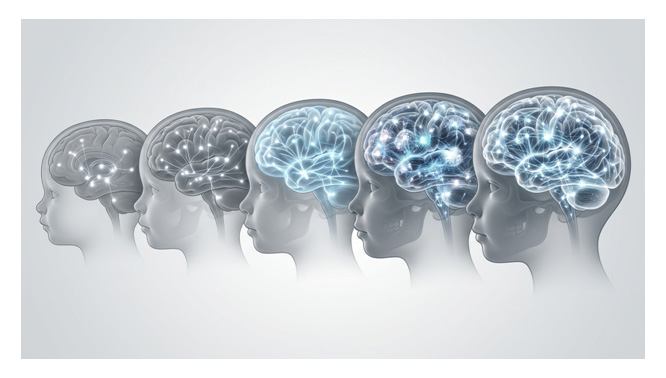
The first five years of a child’s life are not just about growing taller or learning to walk. This is the phase where the brain is developing at a speed that never happens again. Quietly, day by day, millions of connections are forming—shaping how the child will think, feel, learn, and respond to the world.
What’s interesting is that most of this development doesn’t happen through “teaching.”
It happens through everyday moments.
0 to 1 Year: More Than Just Milestones
At this stage, parents often focus on visible milestones—sitting, crawling, walking. But what’s happening inside the brain is much deeper.
The baby is learning trust.
Every time you respond to their cry, make eye contact, or talk to them, their brain is wiring itself around safety and connection. They may not understand words yet, but they understand tone, touch, and presence.
I often tell parents—this is not the time to “train” your child. It’s the time to be available.
1 to 2 Years: Curiosity Takes Over
This is the phase where everything becomes “interesting.” Drawers, spoons, remote controls—nothing is safe anymore.
And while it can feel exhausting, this curiosity is actually a sign of healthy brain development.
The child is exploring cause and effect. What happens if I drop this? What happens if I open that?
Instead of constantly stopping them, guiding them safely makes a big difference. The brain at this stage learns best through exploration, not restriction.
2 to 3 Years: The Language Explosion
This is when parents often say, “Suddenly, he started talking so much!”
And they’re right. The brain is rapidly building language connections. Words, expressions, even emotions start finding a voice.
This is also the stage where tantrums begin.
Not because the child is being “difficult,” but because their emotions are bigger than their ability to express them.
One simple shift that helps—talk to them more, not less. Even if they don’t respond properly, they are absorbing everything.
3 to 4 Years: Imagination and Identity
Something beautiful happens here.
The child starts creating their own little world—imaginary friends, role-playing, storytelling. This is not “just play.” It’s how the brain learns creativity, problem-solving, and emotional processing.
At the same time, they begin to understand “self.”
What they like, what they don’t, what makes them feel safe.
This is where patience matters the most. Because how adults respond at this stage shapes confidence.
4 to 5 Years: Learning How to Think
By now, the child is not just absorbing information—they are starting to process it.
They ask questions. A lot of them.
“Why is the sky blue?”
“Why can’t I do this?”
It may feel repetitive, but this is critical thinking in its earliest form.
Social skills also begin to develop more clearly—sharing, waiting, understanding others’ emotions.
This is the stage where gentle structure helps. Not strict control, but consistent guidance.
What I Always Tell Parents
You don’t need to do anything extraordinary for your child’s brain development.
You just need to be present.
Talk to them.
Respond to them.
Let them explore.
And most importantly, don’t rush the process.
Every child develops at their own pace. Comparing them with others often creates unnecessary stress—for both the parent and the child.
Final Thought
The first five years are not about making your child “ahead.”
They are about building a strong foundation.
Because a child who feels secure, understood, and encouraged doesn’t just grow smarter—
they grow stronger, emotionally and mentally.
And that stays with them for life.
Stages of Child Brain Development (0–5 Years): A Structured Overview
Early childhood, especially the first five years of life, is a critical period for brain development. Research in neuroscience shows that nearly 90% of a child’s brain develops by the age of five. During this time, the brain forms neural connections at an exceptionally rapid rate, influenced by both genetic factors and environmental experiences.
Understanding these developmental stages helps parents and caregivers provide the right support at the right time.
0 to 1 Year: Rapid Neural Growth
The first year of life is marked by the fastest rate of brain development. Neural connections (synapses) are formed in response to sensory experiences such as touch, sound, and visual interaction.
During this stage, the brain is highly responsive to:
- Caregiver interaction
- Eye contact and facial expressions
- Sounds and speech
Emotional bonding plays a crucial role. Consistent and responsive caregiving helps build a sense of security, which supports healthy brain architecture.
1 to 2 Years: Sensory Exploration and Motor Development
Between one and two years, children actively explore their environment. This stage is characterized by the development of motor skills and early problem-solving abilities.
Key developments include:
- Improved coordination (walking, grasping objects)
- Understanding cause-and-effect relationships
- Increased curiosity and exploration
The brain strengthens connections through repeated actions and experiences, making active engagement essential.
2 to 3 Years: Language and Emotional Development
This stage is often referred to as a period of rapid language acquisition. Vocabulary expands quickly, and children begin forming simple sentences.
Important changes during this phase:
- Development of expressive and receptive language
- Early emotional regulation (though still limited)
- Increased independence
Children may also show frustration or tantrums due to the gap between their emotional experience and their ability to communicate effectively.
3 to 4 Years: Cognitive and Social Growth
Between ages three and four, the brain begins to support more complex thinking processes.
Key areas of development include:
- Imagination and symbolic thinking
- Basic problem-solving skills
- Social interaction and cooperative play
Children start understanding social roles and develop early empathy. Play becomes an important medium for learning and cognitive development.
4 to 5 Years: Executive Function and School Readiness
In this stage, children develop foundational skills required for structured learning environments.
Major developments include:
- Improved attention span
- Early logical reasoning
- Better emotional control
- Understanding rules and routines
Executive functions such as memory, planning, and impulse control begin to strengthen, preparing the child for school readiness.
Factors Influencing Brain Development
Brain development is shaped by multiple factors:
- Nutrition: Adequate intake of essential nutrients supports neural growth
- Environment: A stimulating and safe environment enhances learning
- Interaction: Responsive communication with caregivers strengthens connections
- Sleep: Essential for memory consolidation and brain function
- Health: Physical and mental health conditions can impact development
Importance of Early Intervention
Delays in speech, motor skills, or social interaction may indicate developmental concerns. Early identification and intervention can significantly improve outcomes.
Professional support such as pediatric evaluation, therapy, or early education programs can help address developmental gaps effectively.
Conclusion
The first five years of life form the foundation of a child’s cognitive, emotional, and social development. Each stage builds upon the previous one, making early experiences crucial for long-term outcomes.
Providing a supportive, responsive, and stimulating environment during these years can positively influence a child’s overall development and future potential.